How Does Leasing Solar Panels Work?
Upma is a curious and passionate SEO executive. She loves to explore the latest technology and business trends to stay ahead of the curve and help her company succeed.
As the push for renewable energy grows, more homeowners are exploring solar energy as a sustainable and cost-effective solution. When considering solar panels, one key decision is whether to lease or buy.
Understanding Solar Panel Leasing
Leasing solar panels is a popular option for those who want to enjoy the benefits of solar energy without the upfront costs of purchasing a system. Here's a step-by-step look at how it works:
1. Initial Consultation and Site Assessment
The process begins with an initial consultation with a solar leasing company. They will assess your energy needs, review your electricity bills, and evaluate your home's suitability for solar panels. A site assessment involves checking roof space, orientation, and shading to ensure optimal solar energy capture.
2. Choosing a Leasing Plan
Once the assessment is complete, the solar leasing company will offer various leasing plans. These plans typically include a fixed monthly fee or a rate based on the amount of electricity generated by the panels. The chosen plan will determine your financial commitment and potential savings.
3. Installation of Solar Panels
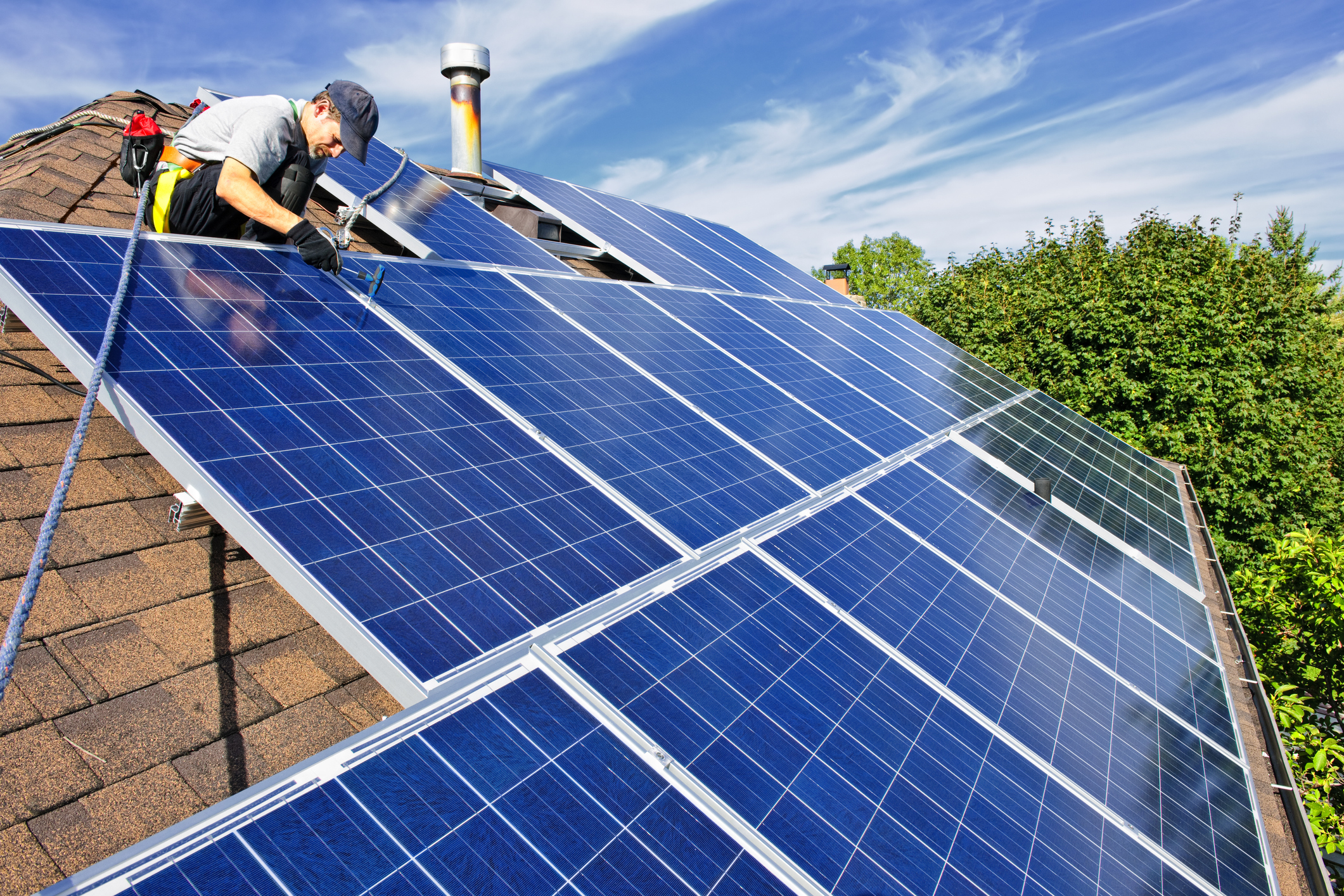
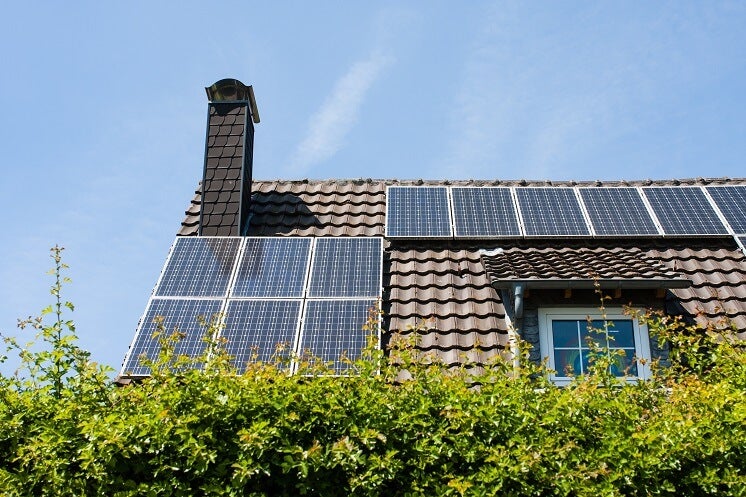
After you agree on a plan, the solar company will handle the installation process. Professional installers will mount the panels on your roof and connect them to your electrical system. The installation cost is usually covered by the leasing company, which also maintains ownership of the panels.
4. Monitoring and Maintenance
One of the significant advantages of leasing solar panels is that the leasing company is responsible for monitoring and maintenance. They will track the system's performance and handle any necessary repairs or maintenance, ensuring the panels operate efficiently throughout the lease term.
5. Monthly Payments and Savings
As a lessee, you will make monthly payments to the solar leasing company based on your chosen plan. These payments are often lower than your previous electricity bills, allowing you to save money while using clean energy. Additionally, some leases include an option to purchase the system at the end of the lease term.
Leasing vs. Buying Solar Panels
When deciding between leasing and buying solar panels, consider the following factors:
Upfront Costs
Leasing: Minimal to no upfront costs, making it accessible for those with budget constraints.
Buying: Requires a significant upfront investment, but eligible for tax credits and incentives.
Ownership and Savings
Leasing: The leasing company owns the panels, and you benefit from lower energy bills. However, the long-term savings may be less compared to owning the system.
Buying: You own the panels and enjoy maximum savings over the system's lifespan. Once the panels are paid off, you can generate free electricity.
Maintenance and Repairs
Leasing: Maintenance and repairs are handled by the leasing company, reducing hassle and unexpected expenses.
Buying: You are responsible for maintenance and repairs, which can add to the overall cost.
Flexibility and Commitment
Leasing: Typically involves a 15-20 year lease agreement. Early termination can be challenging and may incur penalties.
Buying: Offers more flexibility as you own the system outright. You can sell your home with the panels or relocate them if needed.
Conclusion
Leasing solar panels is an excellent option for homeowners looking to adopt solar energy without the initial financial burden. By understanding how leasing works and comparing it to buying, you can make an informed decision that best suits your needs and financial situation. Whether you choose to lease or buy, transitioning to solar energy is a step towards a more sustainable and cost-efficient future.